● Academic Year
Study and training: a path that moves forward at the same time.
Study and training: a path that moves forward at the same time.
Academic Year It's the European alternative to College Soccer. It's joining a LaLiga club without giving up a recognized degree: you take formal courses in Madrid, and the sports schedule is built around classes, not the other way around.
6 to 12 months · From 16 years old · Study visa required · Legal guardianship available
Before continuing to read
You don't have to choose. You have to get organized.
Many people take for granted that high-performance sports and academic excellence can't go hand in hand. They can, as long as someone takes care of syncing the schedules. That's what we take care of.
IT'S FOR YOU if
✓ You want football to progress without stopping education.
✓ You’re looking for a recognized degree: High School, IB, A-Levels, or University.
✓ You guys are interested in keeping the door to scholarships in the U.S. and Canada open.
✓ The player is 16 years old or older. If they're under 18, we handle the legal guardianship.
better other program if
✓ You guys want a season dedicated only to football, without any academic load Performance Year.
✓ Do you want to try before committing to a course Elite Intensive.
✓ You can't fit into the Performance Year academic calendar, with flexible enrollment.
THE TWO PATHS
An organized program.
It's not about studying in the gaps left by training, or training when class allows it. It's about making both worlds move forward at the same time, with the same rigor and professional planning.
1. The academic path
Formal studies, with a degree at the end
Secondary —High School, International Baccalaureate, or A-Levels— or university programs at the European University of Madrid. Enrollment in secondary pathways is managed by the European School of Sports, a school specialized in dual careers. The pathway is defined based on age and academic record.
2. The sports route
The schedule is built around the classes
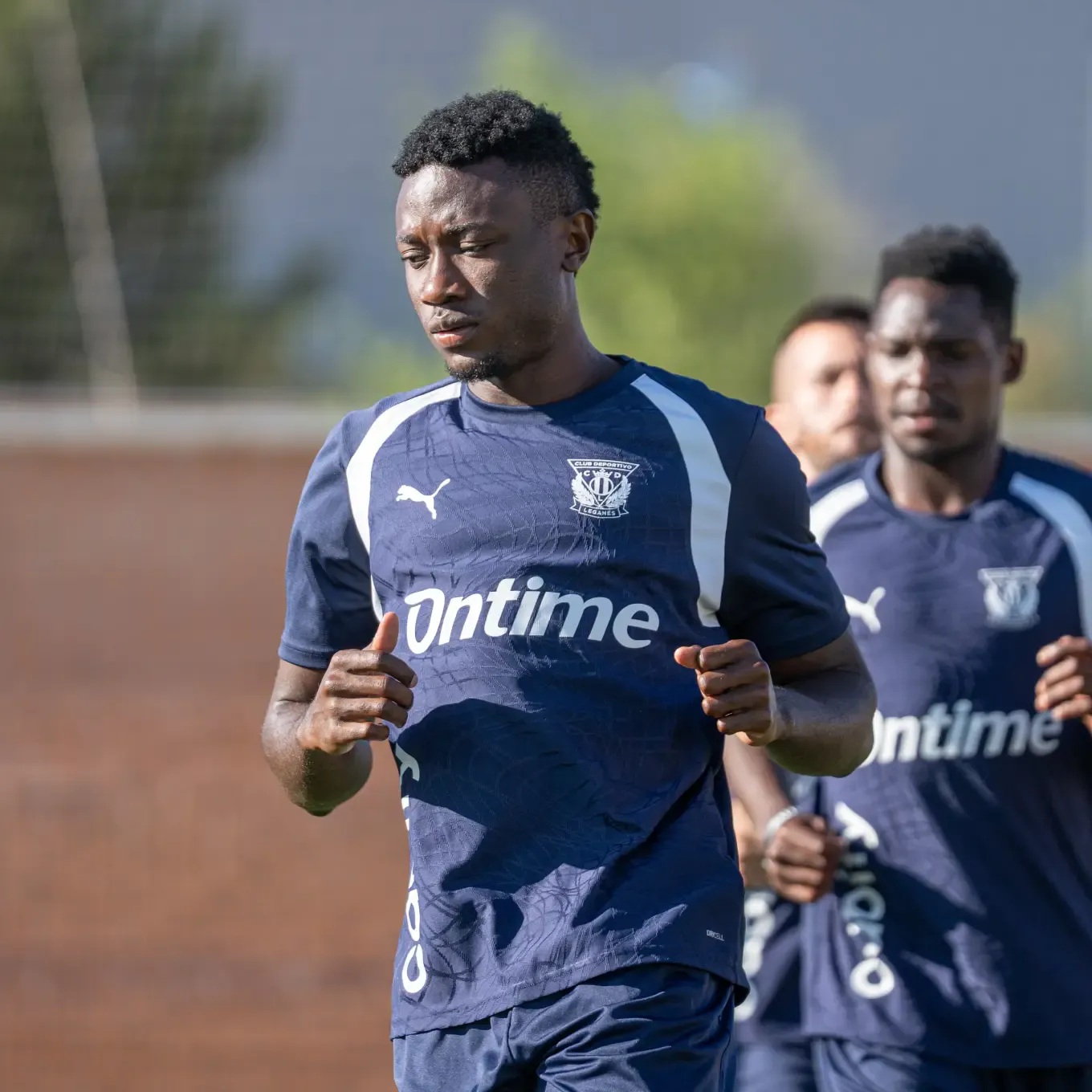
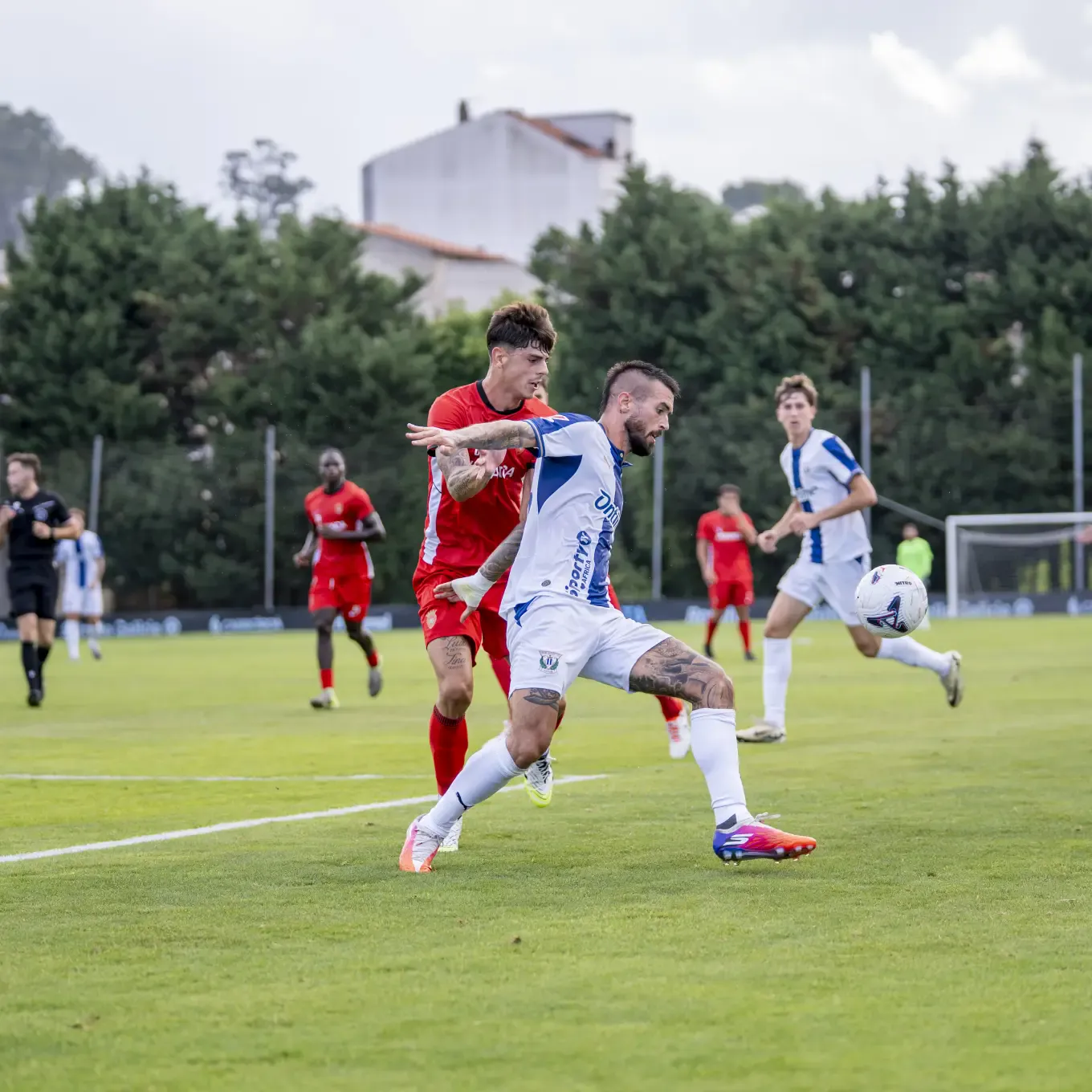
Training with the teams of the International Academy and the CDL Method, coordinated with the academic calendar. Friendly matches against Spanish clubs, and official competition for eligible players.
3. What’s left after
A title, a report, and an open door
It ends with a recognized degree, a technical progress report, and guidance and options for scholarships at universities in the United States and Canada. Two years later, both paths are still open.
WHAT'S INCLUDED
Everything is resolved, except what depends on you.
01
REGULATED STUDIES
High School, IB, A-Levels, or university programs at the European University of Madrid.
02
ADJUSTED SCHEDULE
The sports schedule is coordinated with classes, not the other way around.
03
TRAIN IN THE CLUB
Curricular internships within a professional LaLiga club.
04
TRAINING AND COMPETITION
MCDL method, friendlies against Spanish clubs, and official competition for those eligible.
05
RESIDENCE
Full-board residence, next to the club.
06
VISA
We issue the admission letter and tell you what to prepare before the consular appointment.
*For minors under 18, we handle legal guardianship.
International university guidance. The program includes guidance and scholarship options at universities in the United States and Canada. Studying in Spain doesn’t close the door to the North American university system: it keeps it open with a European degree in hand.
Frequently Asked Questions
ABOUT ACADEMIC YEAR
Official secondary education —High School, International Baccalaureate, or A-Levels— and university programs at the European University of Madrid. Enrollment in High School and equivalent paths is handled through European School of Sports, a school specialized in dual-career programs for athletes. The path is defined case by case, depending on age and academic record.
The sports schedule is built around the academic calendar. Training happens with the International Academy teams, and the planning is coordinated with classes. It’s the dual career model: neither of the two activities is subordinated to the other.
Yes. For players aged 16 and over, the club arranges legal tutoring through the European School of Sports. The tutor takes on legal responsibility during the stay and acts as the point of contact with the family and the consulate. It's a service that is priced separately, depending on the case.
It ends with a recognized academic degree and a technical progress report. That's the whole point of Academic Year: both paths move forward at the same time, and academics don’t depend on sports results. Neither one takes away from the other. Nouf Al-Anzi graduated with an MBA while competing.
The program includes guidance and scholarship options at North American universities. It's one of the reasons why Academic Year is the European alternative to college soccer: studying in Spain doesn't close the door to the U.S. university system.
Players over 18 years old, or over 16 if they are from the EU, can join the C.D. Leganés teams and play in official competitions. The rest play friendly matches against Spanish clubs regularly. In both cases, there’s competition.
From 6 to 12 months. Unlike Performance Year, enrollment follows the academic calendar, because registration depends on the semester you start. The duration you request determines the type of visa. Stays longer than six months require applying for a Foreigner Identity Card when you arrive in Spain. And some consulates issue visas for six months or less without the option to extend them: if there’s a chance you might extend the course, it’s worth considering before applying.
The Academic Year follows the academic calendar: enrollment depends on the semester in which the player joins. Allow two to three months for the study visa from the moment the application is submitted to the consulate, plus the registration deadlines of the school. Consulate timelines vary by country. Write to us in advance: we issue the admission letter that the consulate will request.
The conditions are adjusted for each case. Factors like the length of stay, the type of accommodation, visa processing, and the academic program—whether school or university—play a role. Every application gets a proposal with the details of its case.
GET IN TOUCH WITH US.
Each application is evaluated individually. Tell us about your case and the International Area will get back to you with the conditions and availability for your profile.
One standard. One mindset. One team.